Irregular periods, restless nights, and a mood that seems to change by the hour. If this sounds familiar, you may be wondering whether you have reached menopause or are still on the road to it. The two terms are often used interchangeably, but they describe different stages with different timelines. Understanding where you are makes it much easier to find relief. This guide explains how perimenopause and menopause differ, what to expect, and when to talk with a doctor about menopause care in Irvine, CA.
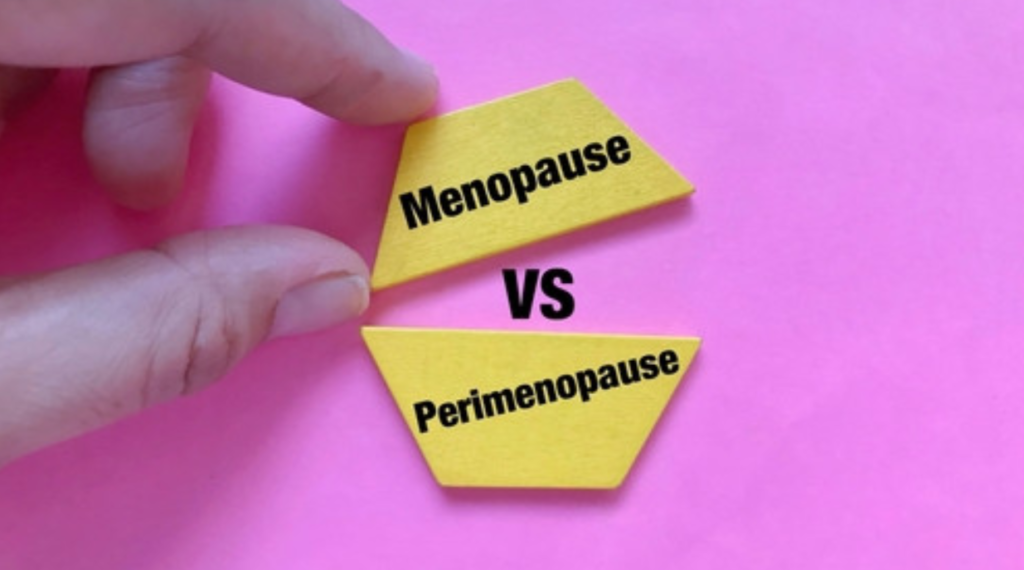
Perimenopause vs Menopause at a Glance
Perimenopause is the transition phase. Your ovaries gradually make less estrogen, hormone levels swing up and down, and your cycle becomes less predictable. You can still have periods and you can still become pregnant.
Menopause is a single point in time. It is confirmed after you have gone 12 months in a row without a menstrual period. Everything after that point is called postmenopause.
A simple way to think about it: perimenopause is the journey, and menopause is the milestone.
Perimenopause | Menopause | |
What it is | Transition leading up to menopause | 12 months without a period |
Periods | Irregular but still present | Stopped |
Pregnancy possible? | Yes, though less likely | No |
Hormones | Fluctuating, often unpredictable | Consistently lower estrogen |
Typical length | Several years | A single point, followed by postmenopause |
When Does Each Stage Begin?
Perimenopause often starts in a woman’s 40s, though some notice changes in their late 30s. It commonly lasts a few years, and for some women it stretches longer. Menopause itself arrives, on average, around the early 50s, but timing varies widely from person to person.
Family history, smoking, certain medical treatments, and surgery involving the ovaries can all shift the timeline. If your periods stop much earlier than expected, it is worth having your doctor take a closer look.
Common Perimenopause Symptoms
Because hormones fluctuate during this stage, symptoms can come and go and may feel inconsistent. Many women notice:
- Periods that are shorter, longer, heavier, lighter, or skipped
- Hot flashes and night sweats
- Trouble falling or staying asleep
- Mood swings, irritability, or low mood
- Brain fog and difficulty concentrating
- Breast tenderness
- Lower interest in sex
Since cycles can be unpredictable, do not assume pregnancy is impossible. If you do not want to conceive, keep using contraception until your doctor confirms you have reached menopause.
Common Menopause and Postmenopause Symptoms
Once estrogen stays low, some symptoms settle while others become more noticeable. These may include:
- Ongoing hot flashes and night sweats
- Vaginal dryness and discomfort
- Pain during intercourse
- Urinary urgency or leakage
- Thinning hair and drier skin
- Changes in bone strength over time
Some of these concerns have dedicated treatment options. For example, you can read about care for vaginal dryness, painful intercourse and female sexual health, and urinary incontinence. Non-invasive options such as Emsella and FemTouch may also be worth discussing with your provider.
How Is Menopause Diagnosed?
For most women, diagnosis is based on your age, your symptoms, and your menstrual history rather than a single test. Blood work may sometimes be used to rule out other causes of irregular periods, such as thyroid problems. Because symptoms overlap with other conditions, a conversation with a gynecologist is the best way to get clarity. Our article on whether a gynecologist can treat hormonal imbalance explains how these evaluations usually work.
Treatment Options for Menopause Symptoms
There is no single answer, and the right plan depends on your symptoms, your health history, and your preferences.
Lifestyle changes. Regular movement, balanced meals, limiting alcohol and caffeine, dressing in layers, and keeping a consistent sleep routine can ease several symptoms.
Hormone replacement therapy. Hormone replacement therapy, often shortened to HRT, replaces some of the estrogen your body no longer makes and is one of the most effective treatments for hot flashes and night sweats. It is not right for everyone, and the benefits and risks depend on factors such as your age, how long since menopause began, and your medical history. If you are exploring hormone replacement in Irvine, CA, learn about the options on the bioidentical hormone replacement therapy page, or read our guide on where to get hormone replacement therapy as an adult.
Targeted local treatments. Vaginal moisturizers, low-dose local estrogen, and in-office treatments can address dryness and urinary symptoms directly.
Non-hormonal medications. Some prescription options can help with hot flashes and mood changes for women who cannot or prefer not to use hormones.
For a broader look at how the practice approaches this stage of life, visit the menopause and hormone replacement specialist page. The Menopause Society is also a respected source for patient education on this topic.
When Should You See a Doctor?
Plan a visit if you notice any of the following:
- Symptoms that interfere with sleep, work, or relationships
- Very heavy bleeding, bleeding between periods, or periods closer than 21 days apart
- Any bleeding after you have gone 12 months without a period
- Symptoms starting before age 40
- Questions about whether hormone replacement is safe for you
Any bleeding after menopause should always be evaluated promptly.
What to Expect at Your Appointment
Your doctor will ask about your cycle, symptoms, family history, and goals, then discuss which options make sense. You may leave with a treatment plan, additional testing, or simply reassurance that what you are feeling is normal. If you are new to the practice, the new patient page explains how to prepare, and you can check accepted insurance plans beforehand. You can also read what other women say on the testimonials page.
Frequently Asked Questions
Can I get pregnant during perimenopause?
How long does perimenopause last?
Do all women have hot flashes?
Is hormone replacement safe?
Can symptoms start before my periods change?
Get Support for Menopause in Irvine, CA
You do not have to simply tolerate symptoms that disrupt your life. Whether you are in the early signs of perimenopause or well into menopause, our team at Morris Ahdoot MD in Irvine, CA can help you understand your options and build a plan that fits you. Learn more about our general gynecology services, or book your appointment today.